
(မြန်မာဘာသာအတွက် အောက်သို့ ဆွဲကြည့်ပါ။)
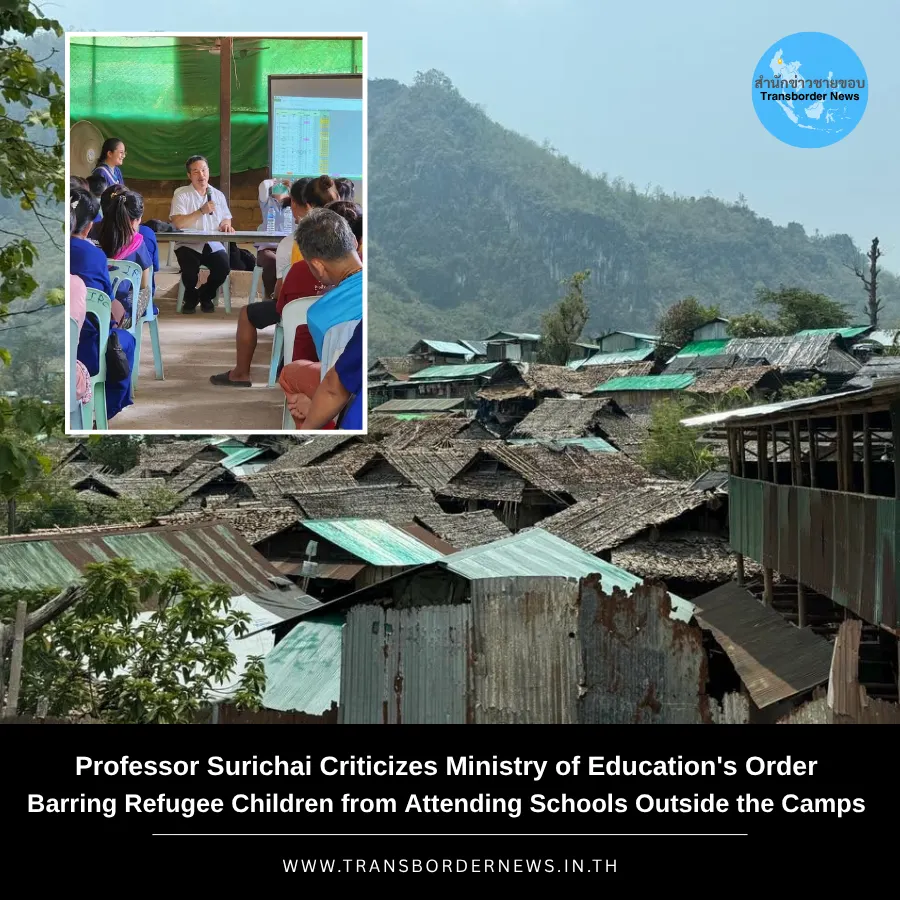
On 17 August 2026, Professor Emeritus Dr. Surichai Wankaew, former Director of the Peace and Conflict Studies Center at Chulalongkorn University, gave an interview regarding the case of 13 students from Mae La Refugee Camp in Tha Song Yang District, Tak Province, who were forced to leave their Thai school after the Office of the Primary Educational Service Area (OBEC Area 2) ruled that their legal status did not meet the requirements prescribed by law.
Professor Surichai described the situation as “deeply shocking and alarming.” He said that although the order came from the Ministry of Education and required immediate implementation by local authorities, the issue of refugee camps and displaced persons is a large structural challenge involving multiple government ministries and has existed for more than 30–40 years.
Professor Surichai explained that Thailand has gradually recognized that refugee camp issues cannot be resolved through enforcement measures alone. Instead, the country has increasingly adopted a humanitarian approach by helping refugees become self-reliant through employment opportunities and by ensuring that their children receive an education.
This is especially important at a time when international assistance—particularly from major donors such as the United States—is declining rapidly. Therefore, Thailand should responsibly review its human resource development policies.
He suggested that the current decision may have resulted from policymakers oversimplifying a complex issue and treating different problems as if they were the same. Concerns over border security, transnational crime, scam networks, illicit financial activities, identity fraud, land disputes, and corruption have been mixed together with children’s fundamental right to education.
As a result, school administrators have become afraid of accepting refugee children because they fear being accused of facilitating illegal activities. In the end, innocent children and young people are the ones who suffer.
Professor Surichai also stated that the order contradicts Thailand’s commitments to the international community. In particular, it conflicts with the 1990 Jomtien Declaration on “Education for All” and the Thailand Zero Dropout policy, both of which aim to ensure that no child is excluded from education.
Removing these children from school demonstrates a lack of consistency in government policy.
From a strategic perspective, he argued that the Ministry of Education should work closely with the Ministry of Labour to address Thailand’s future labor shortage. Providing educational opportunities to stateless and foreign children would help develop valuable human capital that could contribute to Thailand’s economy and would also support Thailand’s role as the future Chair of ASEAN.
According to Professor Surichai, the greatest problem is the lack of coordination between government ministries. No child should lose the right to education—or even the opportunity to build a decent life—simply because they lack a birth certificate or nationality.
However, government agencies currently appear to be more concerned about avoiding accusations of corruption than solving the problem, creating policy gaps instead of coordinated long-term solutions.
He pointed out that businesses, industrial associations, and chambers of commerce in border provinces are already facing severe shortages of literate workers. Importing foreign workers through bilateral Memorandums of Understanding (MOUs) alone will not meet future labor demands.
Thailand should also invest in people who are already living within the country by helping them develop their skills.
Furthermore, educational support programs and learning centers serving refugee children remain uncertain and often operate quietly to avoid attracting public attention.
At the same time, reductions in foreign funding—particularly from the United States—have affected food assistance and living conditions.
Some learning centers and local temples that try to help children have even faced accusations of using child labor when they merely provide opportunities for children to develop practical life skills.
These developments reflect contradictions within Thailand’s own education and human resource development policies.
Professor Surichai stressed that Thailand must move away from its culture of treating every issue as an emergency and simply trying to avoid responsibility. Government ministries should engage in serious policy dialogue instead of working independently.
Businesses, industrial groups, and border chambers of commerce are already experiencing a critical shortage of educated workers.
Finally, Professor Surichai urged Thai society to distinguish facts from prejudice. He warned against allowing extreme nationalism, information operations (IO), or isolated incidents involving individual students to create hatred toward all foreign children.
Many of these children have grown up in Thailand, speak Thai fluently, and are familiar with Thai culture. If they receive proper education and support, they can become valuable contributors to Thai society and serve as bridges of friendship and cooperation between Thailand and its neighboring countries.
Public policy, he said, should be based on comprehensive evidence and genuine problem-solving rather than fear, popular sentiment, or broad generalizations.
He concluded:
“This is a test of the wisdom and conscience of Thai society. As the world moves forward, will we choose to isolate ourselves and create a narrow-minded education system, or will we choose to become a society that shares both hardships and responsibilities while addressing problems wisely?
One of Thailand’s strengths has traditionally been that we do not drive people away. However, history reminds us that hatred has led to tragic events before. Therefore, people should exercise careful judgment on social media. Emotions can either increase or reduce conflict—it depends on the choices we make.”
————-
“ပါမောက္ခ ဒေါက်တာ စူရိချိုင်” က ပညာရေးဝန်ကြီးဌာန၏ ဒုက္ခသည်မိသားစုကလေးများကို စခန်းပြင်ပကျောင်းများတွင် မတက်ရောက်ရန် တားမြစ်သည့်အမိန့်ကို ဝေဖန် — ယင်းသည် ယခင်က ကြေညာခဲ့သည့် ပညာရေးဆိုင်ရာ ရည်မှန်းချက်များနှင့် ဆန့်ကျင်ပြီး အမြင်ကျဉ်းမြောင်းသည့် ပညာရေးစနစ်သို့ ဦးတည်စေကြောင်း ထောက်ပြ၊ အစိုးရအား ပြန်လည်သုံးသပ်ရန်နှင့် လုံခြုံရေးအမြင်ဟောင်းများကို ကျော်လွန်စဉ်းစားရန် အကြံပြု
————-
၂၀၂၆ ခုနှစ် ဩဂုတ်လ ၁၇ ရက်နေ့တွင် ချူလာလောင်ကွန်းတက္ကသိုလ် ငြိမ်းချမ်းရေးနှင့် ပဋိပက္ခလေ့လာရေးစင်တာ၏ ဒါရိုက်တာဟောင်း ဂုဏ်ထူးဆောင်ပါမောက္ခ ဒေါက်တာ စူရိချိုင် ဝန်ကယောက် က အင်တာဗျူးတစ်ခုတွင် မဲလဒုက္ခသည်စခန်း (တတ်ခရိုင်၊ ထာ့ဆောင်ယန်းမြို့နယ်) မှ ကျောင်းသား ၁၃ ဦးသည် ၎င်းတို့၏ ဥပဒေအရ ကိုယ်ပိုင်အဆင့်အတန်း (Legal Status) မကိုက်ညီဟု မူလတန်းပညာရေးဧရိယာရုံး (OBEC Area 2) က ဆုံးဖြတ်ခဲ့သဖြင့် ထိုင်းကျောင်းမှ အလယ်တန်းတွင်ပင် ကျောင်းထွက်ရသည့်ကိစ္စနှင့် ပတ်သက်၍ “အလွန်အံ့အားသင့်စရာ၊ စိုးရိမ်စရာကောင်းသည်” ဟု ပြောကြားခဲ့သည်။
၎င်းက ဤသည်မှာ ပညာရေးဝန်ကြီးဌာန အဆင့်မြင့်အမိန့်တစ်ရပ်ဖြစ်ပြီး လက်တွေ့ဆောင်ရွက်ရသည့် အဖွဲ့အစည်းများအား အလျင်အမြန်လိုက်နာစေသော်လည်း၊ ဒုက္ခသည်စခန်းနှင့် ဒုက္ခသည်များ၏ ပြဿနာသည် ဝန်ကြီးဌာနများစွာနှင့် ဆက်စပ်နေသည့် ဖွဲ့စည်းပုံဆိုင်ရာ ပြဿနာကြီးဖြစ်ကာ နှစ်ပေါင်း ၃၀ မှ ၄၀ ကျော်ကြာ တည်ရှိလာသည့် အခြေအနေတစ်ရပ်ဖြစ်ကြောင်း ပြောသည်။
ပါမောက္ခ စူရိချိုင်က ယခင်နှစ်များအတွင်း ထိုင်းနိုင်ငံသည် ဒုက္ခသည်စခန်းပြဿနာကို အတင်းအကျပ်နည်းလမ်းများဖြင့်သာ ဖြေရှင်း၍ မရကြောင်း နားလည်လာခဲ့ပြီး လူသားချင်းစာနာထောက်ထားမှုကို အခြေခံကာ ဒုက္ခသည်များကို အလုပ်အကိုင်နှင့် ၎င်းတို့၏ သားသမီးများ၏ ပညာရေးမှတစ်ဆင့် ကိုယ်တိုင်ရပ်တည်နိုင်စွမ်း ဖွံ့ဖြိုးစေရန် ဦးစားပေးခဲ့ကြောင်း ပြောကြားသည်။
ထို့ကြောင့် နိုင်ငံတကာအဖွဲ့အစည်းများနှင့် အမေရိကန်ကဲ့သို့သော အင်အားကြီးနိုင်ငံများ၏ အကူအညီလျော့နည်းလာသည့်အခြေအနေတွင် ထိုင်းနိုင်ငံအနေဖြင့် လူ့စွမ်းအားအရင်းအမြစ် ဖွံ့ဖြိုးတိုးတက်ရေးမူဝါဒကို တာဝန်ယူမှုရှိစွာ ပြန်လည်သုံးသပ်သင့်ကြောင်း ၎င်းက ဆိုသည်။
၎င်းက “အုပ်ချုပ်ရေးဘက်မှ ရှုပ်ထွေးသည့် ပြဿနာများကို ရိုးရှင်းစွာ ဆုံးဖြတ်ပြီး အားလုံးကို တစ်စုတစ်စည်းတည်း သဘောထားလိုက်ခြင်းကြောင့် ဖြစ်နိုင်သည်။ အထူးသဖြင့် နယ်စပ်လုံခြုံရေး၊ နိုင်ငံဖြတ်ကျော်ရာဇဝတ်မှု၊ လိမ်လည်မှုကွန်ရက်များ၊ မဲမှောင်ငွေကြေး၊ မှတ်ပုံတင်အတုများနှင့် မြေယာပြဿနာများကို ကလေးများ၏ အခြေခံပညာသင်ကြားခွင့်နှင့် ရောထွေးသတ်မှတ်လိုက်ခြင်းကြောင့် ကျောင်းတာဝန်ရှိသူများသည် ဥပဒေချိုးဖောက်သူများနှင့် ပတ်သက်သည်ဟု စွပ်စွဲခံရမည်ကို ကြောက်ရွံ့ကာ ကလေးများကို လက်မခံရဲတော့ဘဲ နောက်ဆုံးတွင် အပြစ်မရှိသည့် ကလေးများနှင့် လူငယ်များကသာ ထိခိုက်နစ်နာရသည်” ဟု ပြောကြားခဲ့သည်။
ထို့အပြင် ယင်းအမိန့်သည် ထိုင်းနိုင်ငံက နိုင်ငံတကာအဆင့်တွင် ကြေညာထားသည့် ကတိကဝတ်များနှင့် ဆန့်ကျင်နေကြောင်းလည်း ၎င်းက ဆိုသည်။
အထူးသဖြင့် ၁၉၉၀ ခုနှစ် ဂျွန်တီယန် (Jomtien) ကြေညာစာတမ်း “Education for All” နှင့် Thailand Zero Dropout မူဝါဒတို့သည် ကလေးတစ်ဦးမျှ ပညာရေးစနစ်မှ မကျန်ရစ်စေရန် ရည်ရွယ်ထားသော်လည်း ယခုကဲ့သို့ ကလေးများကို ပညာသင်ခွင့်မှ ဖယ်ရှားခြင်းသည် အစိုးရ၏ မူဝါဒအဆက်အစပ် မရှိခြင်းကို ထင်ဟပ်စေကြောင်း ပြောသည်။
၎င်းက မဟာဗျူဟာအရ ကြည့်လျှင် ပညာရေးဝန်ကြီးဌာနနှင့် အလုပ်သမားဝန်ကြီးဌာနတို့ ပူးပေါင်း၍ ထိုင်းနိုင်ငံ၏ အနာဂတ် လုပ်သားရှားပါးမှုကို ထည့်သွင်းစဉ်းစားသင့်ကြောင်း၊ နိုင်ငံမဲ့ကလေးများနှင့် နိုင်ငံခြားသားကလေးများအား ပညာရေးရရှိစေရန် အာမခံပေးခြင်းသည် ထိုင်းနိုင်ငံ၏ စီးပွားရေးအတွက် အကျိုးရှိသော လူ့စွမ်းအားအရင်းအမြစ်ကို ဖန်တီးပေးနိုင်ပြီး အာဆီယံဥက္ကဋ္ဌတာဝန်ယူမည့် အနာဂတ်အတွက်လည်း သင့်လျော်ကြောင်း ပြောကြားသည်။
ပါမောက္ခ စူရိချိုင်က အကြီးမားဆုံးပြဿနာမှာ ဝန်ကြီးဌာနများအကြား မူဝါဒညှိနှိုင်းမှု မရှိခြင်းဖြစ်ကြောင်း၊ မွေးစာရင်း သို့မဟုတ် နိုင်ငံသားမရှိခြင်းကြောင့် မည်သည့်ကလေးမျှ ပညာသင်ခွင့် သို့မဟုတ် အသက်ရှင်နေထိုင်ခွင့် မဆုံးရှုံးသင့်ကြောင်း၊ သို့သော် လက်ရှိအခြေအနေတွင် အကျင့်ပျက်ခြစားမှု စွပ်စွဲခံရမည်ကို ကြောက်ရွံ့သဖြင့် တာဝန်ရှောင်ရန်သာ ကြိုးစားနေပြီး မူဝါဒအကွာအဝေးများ ပိုမိုကြီးထွားလာကြောင်း ဆိုသည်။
၎င်းက စီးပွားရေးကဏ္ဍ၊ စက်မှုလုပ်ငန်းအသင်းများနှင့် နယ်စပ်ဒေသ ကုန်သည်ကြီးများအသင်းများသည် စာတတ်မြောက်သည့် လုပ်သားများ အလွန်ရှားပါးနေသဖြင့် အရေးပေါ်အခြေအနေ ရင်ဆိုင်နေရကြောင်း၊ ပြည်ပမှ လုပ်သားတင်သွင်းရေး MOU များသာ မလုံလောက်တော့ဘဲ ထိုင်းနိုင်ငံအတွင်း နေထိုင်နေသူများကိုလည်း စနစ်တကျ ဖွံ့ဖြိုးတိုးတက်စေရန် လိုအပ်ကြောင်း ပြောသည်။
ထို့အပြင် ဒုက္ခသည်ကလေးများအတွက် အခြားပညာရေးအကူအညီများနှင့် သင်ကြားရေးစင်တာများသည်လည်း မသေချာမရေရာသည့် အခြေအနေတွင် ရှိနေပြီး သတင်းမဖြစ်စေရန် တိတ်တဆိတ် ဆောင်ရွက်နေရကြောင်း၊ အမေရိကန်ကဲ့သို့ နိုင်ငံများ၏ ထောက်ပံ့ငွေ လျှော့ချမှုကြောင့် အစားအသောက်နှင့် လူနေမှုဘဝကို ထိခိုက်စေသည့်အပြင် ကလေးများကို ကူညီပေးနေသည့် သင်ကြားရေးစင်တာများနှင့် ဘုန်းတော်ကြီးကျောင်းများကို ကလေးအလုပ်သမား အသုံးပြုသည်ဟု စွပ်စွဲခြင်းများပင် ဖြစ်ပေါ်နေကြောင်း၊ ထိုင်းနိုင်ငံ၏ ပညာရေးနှင့် လူ့စွမ်းအားအရင်းအမြစ် ဖွံ့ဖြိုးရေးမူဝါဒများသည် အချင်းချင်းပင် ဆန့်ကျင်နေကြောင်း ပြောသည်။
၎င်းက “အရေးပေါ်ကိစ္စအဖြစ်သာ မြင်ပြီး ကိုယ့်တာဝန်လွတ်မြောက်ရေးအတွက်သာ ဖြေရှင်းသည့် အလုပ်လုပ်ပုံကို ရပ်တန့်ရမည်။ ဝန်ကြီးဌာနများသည် အလေးအနက် ဆွေးနွေးညှိနှိုင်းရန် လိုအပ်ပြီး တစ်ဦးတည်း သီးခြားလုပ်ဆောင်နေခြင်းကို ရပ်တန့်သင့်သည်။ အဘယ်ကြောင့်ဆိုသော် စီးပွားရေးကဏ္ဍ၊ စက်မှုလုပ်ငန်းအသင်းများနှင့် နယ်စပ်ဒေသ ကုန်သည်ကြီးများအသင်းများသည် စာတတ်မြောက်သည့် လုပ်သားရှားပါးမှုကြောင့် အလွန်အမင်း ထိခိုက်နေကြသည်” ဟု ပြောကြားခဲ့သည်။
နောက်ဆုံးတွင် ပါမောက္ခ စူရိချိုင်က ထိုင်းလူ့အဖွဲ့အစည်းအနေဖြင့် အချက်အလက်များကို ခွဲခြားစဉ်းစားသင့်ကြောင်း၊ အမျိုးသားရေးအစွန်းရောက်အတွေးအခေါ်များ၊ သတင်းအချက်အလက်စစ်ဆင်ရေး (IO) များ သို့မဟုတ် ကလေးတစ်ဦးချင်း၏ ပြဿနာကို အခြေခံ၍ နိုင်ငံခြားသားကလေးအားလုံးကို ပြဿနာဖြစ်စေသူများအဖြစ် မသတ်မှတ်သင့်ကြောင်း၊ ကလေးအများစုသည် ထိုင်းနိုင်ငံတွင် ကြီးပြင်းလာပြီး ထိုင်းဘာသာစကားနှင့် ယဉ်ကျေးမှုကို ကောင်းစွာ နားလည်ကြကြောင်း၊ ၎င်းတို့အား မှန်ကန်စွာ ပညာပေးပြီး ပြုစုပျိုးထောင်ပါက ထိုင်းလူ့အဖွဲ့အစည်းနှင့် အိမ်နီးချင်းနိုင်ငံများအကြား ရေရှည်ဆက်ဆံရေးကို တည်ဆောက်ပေးနိုင်မည့် အရေးပါသည့် လူ့စွမ်းအားအရင်းအမြစ်များ ဖြစ်လာနိုင်ကြောင်း ပြောကြားခဲ့သည်။
၎င်းက “ဤသည်မှာ ထိုင်းလူ့အဖွဲ့အစည်း၏ ဉာဏ်ပညာနှင့် အသိစိတ်ကို စမ်းသပ်နေသည့် အချိန်ဖြစ်သည်။ ကမ္ဘာကြီးက ရှေ့သို့တိုးနေချိန်တွင် ကျွန်ုပ်တို့သည် ကိုယ့်ကိုယ်ကို ပိတ်ဆို့ထားသည့် အမြင်ကျဉ်းမြောင်းသော ပညာရေးလမ်းစဉ်ကို ရွေးချယ်မည်လား၊ သို့မဟုတ် အတူတကွ ရင်ဆိုင်ဖြေရှင်းနိုင်သည့် လူ့အဖွဲ့အစည်းတစ်ခု ဖြစ်လာမည်လား ဆိုသည်ကို ရွေးချယ်ရမည်ဖြစ်သည်။ ထိုင်းနိုင်ငံ၏ ကောင်းမွန်သည့် အစဉ်အလာမှာ လူများကို မနှင်ထုတ်ခြင်းဖြစ်သော်လည်း သမိုင်းတွင် အမုန်းတရားကြောင့် ဆိုးရွားသည့် ဖြစ်ရပ်များ ဖြစ်ပွားခဲ့ဖူးသည်။ ထို့ကြောင့် လူမှုကွန်ရက်များပေါ်တွင် သတင်းအချက်အလက်များကို ဆင်ခြင်တုံတရားဖြင့် သုံးသပ်သင့်ပြီး စိတ်ခံစားချက်များသည် ပဋိပက္ခကို တိုးစေနိုင်သလို လျော့စေနိုင်သည်” ဟု အဆုံးသတ် ပြောကြားခဲ့သည်။