
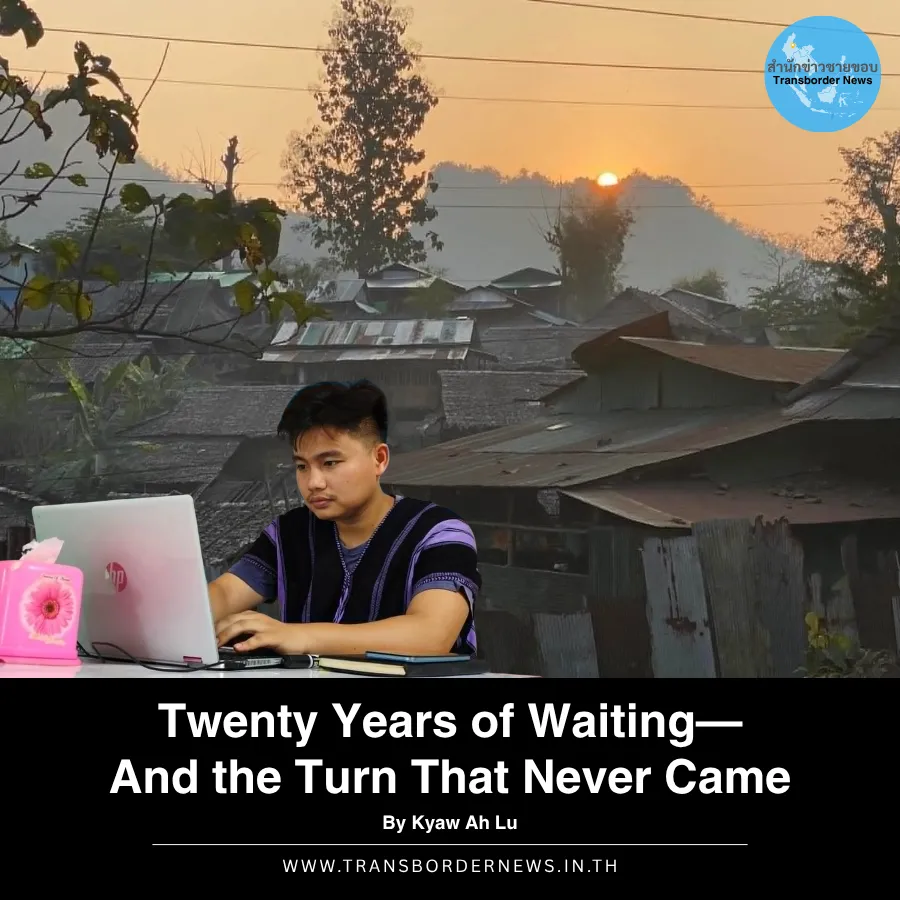
By Kyaw Ah Lu
(မြန်မာဘာသာအတွက် အောက်သို့ ဆွဲကြည့်ပါ။)
When I was a child, I believed that living in a refugee camp was only temporary. I thought we would stay for a few months, or at most a few years, before being resettled in a third country.
But one day, I looked back and realized that I had spent twenty years of my life here.
As a child, I did not have grand dreams. It was not because I lacked ambition, but because I grew up believing that dreams belonged to people who had a place they could truly call home.
We were refugees—guests seeking temporary shelter on someone else’s land. I always saw myself as someone living in another person’s home. Because of that, I never dared to ask for more. I did not even dare to ask for my own rights. I simply accepted that this was all life would ever be.
For most of us, there was only one dream: to be resettled in a third country.
I listened to the stories of families who had already left. They spoke of freedom, dignity, education, and opportunity. They talked about being able to study, work hard, own a home, become citizens, and build a future for their children. Those stories filled my heart with hope.
Every time another family was approved for resettlement, I told myself, “One day, it will be my turn.”
But…
My turn never came.
Year after year passed. One by one, my friends left. They boarded planes to countries that had once existed only in our dreams.
Today, many of them have become nurses, teachers, engineers, soldiers, and business owners. They own homes. They are citizens. They are protected by the law. They can travel freely wherever they wish. Their children are growing up with opportunities that we could only dream about.
I am genuinely happy for them.
Yet sometimes, a quiet loneliness slowly settles into my heart.
It feels as though everyone else has continued moving forward while I remain standing in the same place. It is not because I did not try. It is because the circumstances of my life never gave me the opportunity to move forward.
Living in a refugee camp often feels like living inside an invisible prison.
There are no prison walls, yet there are boundaries we cannot cross.
We have no citizenship.
Most of our educational qualifications are not officially recognized.
Access to higher education is extremely difficult.
Employment opportunities are very limited.
It is almost impossible to plan for the future because everything depends on policies and decisions that are beyond our control.
People outside the camp often see only the fences.
They do not see the dreams that slowly disappear behind them.
They do not see the students who studied diligently but whose qualifications are not recognized.
They do not see talented and hardworking young people who cannot use their abilities because they have no legal status.
They do not see the emotional burden of watching life outside move forward while time inside the camp seems to stand still.
Twenty years is a very long time to wait.
It is long enough for a child to become an adult.
Long enough to finish an education, build a career, and start a family.
Yet for many refugees, twenty years have been spent simply waiting for permission to begin life.
Even so, I do not believe that my life has been meaningless.
This refugee camp has taught me compassion, patience, perseverance, resilience, and hope.
It has taught me the importance of serving others and standing beside those who have been forgotten.
Although my circumstances have limited many opportunities, they have never taken away my humanity or my desire to create positive change.
I still have dreams.
Not only for myself.
But for every refugee child who deserves an education, deserves to be recognized as part of society, and deserves the chance to build a future free from fear and uncertainty.
No child should spend their entire childhood waiting simply for permission to begin living.
Refugees are not asking for a life of luxury.
We are asking for dignity.
We are asking for opportunity.
We are asking for the chance to contribute to society.
Most importantly—
We are asking for what every human being hopes for: a place to call home, a future we can build, and the freedom to dream without limits.
Author’s Note: Kyaw Ah Lu is 26 years old and grew up in Mae La Refugee Camp along the Thailand–Myanmar border. He currently serves as the Head of the Medical Laboratory Department at Tha Song Yang Hospital (Mae La Branch) in Thailand.
—————
စောင့်မျှော်ခဲ့ရသော နှစ် ၂၀
နှင့် “ကျွန်တော့်အလှည့်” မရောက်ခဲ့သည့် ဇာတ်လမ်း
ရေးသူ – ကျော်အလူ (Kyaw Ah Lu)
————-
ကျွန်တော်ငယ်ငယ်တုန်းက ဒုက္ခသည်စခန်းမှာ နေထိုင်ရတာဟာ ခဏတာပဲလို့ ယုံကြည်ခဲ့ပါတယ်။ လအနည်းငယ်၊ အများဆုံး နှစ်အနည်းငယ်လောက်သာ နေပြီး တတိယနိုင်ငံကို အခြေချနေထိုင်ခွင့် ရမယ်လို့ ထင်ခဲ့ပါတယ်။
ဒါပေမယ့် တစ်နေ့မှာ ပြန်လှည့်ကြည့်လိုက်တော့ ကျွန်တော်ဟာ ဒီနေရာမှာ နှစ် ၂၀ တိုင်တိုင် ဘဝကို ကုန်ဆုံးခဲ့ရတယ်ဆိုတာ သိလိုက်ရပါတယ်။
ငယ်ငယ်တုန်းက ကျွန်တော့်မှာ ကြီးမားတဲ့ အိပ်မက်တွေ မရှိခဲ့ပါဘူး။ ရည်မှန်းချက်မရှိလို့ မဟုတ်ပါဘူး။ “အိမ်” ဆိုတာ ကိုယ်ပိုင်ရှိတဲ့သူတွေအတွက်သာ အိပ်မက်ဆိုတာ ရှိနိုင်တယ်လို့ ယုံကြည်ပြီး ကြီးပြင်းလာခဲ့လို့ပါ။
ကျွန်တော်တို့က ဒုက္ခသည်တွေပါ။ တခြားနိုင်ငံရဲ့ မြေမှာ ခေတ္တလာရောက်ခိုလှုံနေတဲ့ ဧည့်သည်တွေသာ ဖြစ်ပါတယ်။ ကိုယ့်ကိုယ်ကို အမြဲတမ်း “တခြားသူရဲ့အိမ်မှာ ခိုလှုံနေရသူ” လို့ သဘောထားခဲ့ပါတယ်။ ဒါကြောင့် ပိုပြီး တောင်းဆိုဖို့ မဝံ့ရဲခဲ့ပါဘူး။ ကိုယ့်အခွင့်အရေးကိုတောင် မတောင်းဆိုရဲခဲ့ပါဘူး။ ဘဝဟာ ဒီလောက်ပဲ ဖြစ်မယ်လို့ လက်ခံထားခဲ့ရပါတယ်။
ကျွန်တော်တို့အများစုအတွက် တစ်ခုတည်းသော အိပ်မက်ကတော့ တတိယနိုင်ငံမှာ အခြေချနေထိုင်ခွင့် ရဖို့ ဖြစ်ပါတယ်။
တတိယနိုင်ငံကို ထွက်ခွာသွားခဲ့တဲ့ မိသားစုတွေရဲ့ အတွေ့အကြုံတွေကို ကြားခဲ့ရပါတယ်။ သူတို့က လွတ်လပ်မှု၊ လူ့ဂုဏ်သိက္ခာ၊ ပညာရေးနဲ့ အခွင့်အလမ်းတွေအကြောင်း ပြောပြကြတယ်။ ပညာသင်နိုင်တယ်၊ ကြိုးစားလုပ်ကိုင်နိုင်တယ်၊ ကိုယ်ပိုင်အိမ် ရနိုင်တယ်၊ နိုင်ငံသားဖြစ်နိုင်တယ်၊ သားသမီးတွေအတွက် အနာဂတ်တည်ဆောက်နိုင်တယ်ဆိုတဲ့ အကြောင်းတွေက ကျွန်တော့်ရင်ထဲကို မျှော်လင့်ချက်တွေနဲ့ ပြည့်စေခဲ့ပါတယ်။
မိသားစုတစ်စု ထပ်ပြီး အခြေချနေထိုင်ခွင့် ရသွားတယ်ဆိုတာ ကြားတိုင်း “တစ်နေ့တော့ ငါ့အလှည့်လည်း ရောက်လာမယ်” လို့ မျှော်လင့်ခဲ့ပါတယ်။
ဒါပေမယ့်…
ကျွန်တော့်အလှည့်ကတော့ ဘယ်တော့မှ မရောက်လာခဲ့ပါဘူး။
နှစ်တွေ တစ်နှစ်ပြီးတစ်နှစ် ကုန်သွားခဲ့ပါတယ်။ သူငယ်ချင်းတွေက တစ်ယောက်ပြီးတစ်ယောက် ထွက်ခွာသွားကြတယ်။ အိပ်မက်ထဲမှာပဲ ရှိခဲ့တဲ့ နိုင်ငံတွေဆီ လေယာဉ်ပေါ်တက်သွားကြတယ်။
ဒီနေ့မှာ သူတို့ထဲက အများစုဟာ သူနာပြု၊ ဆရာ၊ အင်ဂျင်နီယာ၊ စစ်သား၊ စီးပွားရေးလုပ်ငန်းရှင်တွေ ဖြစ်နေကြပါပြီ။ သူတို့မှာ ကိုယ်ပိုင်အိမ်ရှိတယ်။ နိုင်ငံသားဖြစ်နေကြတယ်။ ဥပဒေရဲ့ အကာအကွယ် ရှိတယ်။ သွားချင်တဲ့နေရာကို လွတ်လပ်စွာ သွားလာနိုင်တယ်။ သူတို့ရဲ့ သားသမီးတွေကတော့ ကျွန်တော်တို့ မျှော်မှန်းခဲ့ရုံသာ ရှိတဲ့ အခွင့်အရေးတွေနဲ့ ကြီးပြင်းလာနေကြပါတယ်။
သူတို့အတွက် ကျွန်တော် တကယ်ကို ဝမ်းသာပါတယ်။
ဒါပေမယ့် တစ်ခါတစ်ရံမှာတော့ တိတ်ဆိတ်တဲ့ အထီးကျန်မှုက ကျွန်တော့်နှလုံးသားကို ဖြည်းဖြည်းချင်း လွှမ်းမိုးလာပါတယ်။
လူတိုင်းက ရှေ့ကို ဆက်လျှောက်နေကြပေမယ့် ကျွန်တော်တစ်ယောက်တည်း နေရာဟောင်းမှာပဲ ရပ်နေသလို ခံစားရပါတယ်။ ကျွန်တော် မကြိုးစားလို့ မဟုတ်ပါဘူး။ ကျွန်တော့်ဘဝရဲ့ အခြေအနေတွေက ရှေ့ဆက်ဖို့ အခွင့်အရေး မပေးခဲ့လို့ပါ။
ဒုက္ခသည်စခန်းမှာ နေရတာဟာ “မမြင်ရတဲ့ အကျဉ်းထောင်” ထဲမှာ နေရသလို ခံစားရတတ်ပါတယ်။
အကျဉ်းထောင်လို နံရံမရှိပေမယ့် ကျော်ဖြတ်လို့ မရတဲ့ နယ်နိမိတ်တွေ ရှိပါတယ်။
ကျွန်တော်တို့မှာ နိုင်ငံသား မရှိဘူး။
ပညာရေးအောင်လက်မှတ်တွေ အများစုကို တရားဝင် အသိအမှတ်မပြုကြဘူး။
အဆင့်မြင့်ပညာရေး ရယူဖို့ အလွန်ခက်ခဲတယ်။
အလုပ်အကိုင်အခွင့်အလမ်းက အလွန်နည်းပါးတယ်။
အနာဂတ်ကို စီစဉ်ဖို့တောင် မဖြစ်နိုင်သလိုပါပဲ။ ဘာဖြစ်လို့လဲဆိုတော့ အရာအားလုံးက ကိုယ့်လက်ထဲမှာ မရှိတဲ့ မူဝါဒတွေနဲ့ ဆုံးဖြတ်ချက်တွေအပေါ် မူတည်နေပါတယ်။
စခန်းအပြင်က လူအများစုက စခန်းနဲ့ ခြံစည်းရိုးကိုသာ မြင်ကြပါတယ်။
တဖြည်းဖြည်း ပျောက်ကွယ်သွားတဲ့ ကျွန်တော်တို့ရဲ့ အိပ်မက်တွေကို မမြင်ကြပါဘူး။
ကြိုးစားပမ်းစား စာသင်ခဲ့ပေမယ့် ကိုယ့်ရဲ့ ပညာရေးအောင်လက်မှတ်ကို အသိအမှတ်မပြုခံရတဲ့ ကျောင်းသားတွေကို မမြင်ကြပါဘူး။
အရည်အချင်းရှိပြီး ကြိုးစားတဲ့ လူငယ်တွေဟာ ဥပဒေအရ အဆင့်အတန်းမရှိလို့ ကိုယ့်စွမ်းရည်ကို အသုံးမချနိုင်တဲ့ အဖြစ်ကို မမြင်ကြပါဘူး။
စခန်းအပြင်က ဘဝတွေက ရှေ့ကို ဆက်သွားနေချိန်မှာ စခန်းထဲက အချိန်တွေ ရပ်တန့်နေသလို ခံစားရတဲ့ စိတ်ဒဏ်ရာကိုလည်း မမြင်ကြပါဘူး။
နှစ် ၂၀ ဆိုတာ စောင့်ဆိုင်းဖို့ အလွန်ရှည်လျားတဲ့ အချိန်ပါ။
ကလေးတစ်ယောက်ကို လူကြီးတစ်ယောက် ဖြစ်လာစေဖို့ လုံလောက်တဲ့ အချိန်။
ပညာရေးပြီးဆုံးဖို့၊ အလုပ်အကိုင်တည်ဆောက်ဖို့၊ မိသားစုတစ်ခု တည်ထောင်ဖို့ လုံလောက်တဲ့ အချိန်။
ဒါပေမယ့် ဒုက္ခသည်အများစုအတွက်တော့ “ဘဝကို စတင်ခွင့်” ရဖို့ ခွင့်ပြုချက်တစ်ခုကိုသာ စောင့်ဆိုင်းရင်း နှစ် ၂၀ ကုန်ဆုံးသွားပါတယ်။
ဒါတောင်မှ ကျွန်တော့်ဘဝမှာ တန်ဖိုးမရှိဘူး၊ အဓိပ္ပာယ်မရှိဘူးလို့ မယုံကြည်ပါဘူး။
ဒီဒုက္ခသည်စခန်းက ကျွန်တော့်ကို ကရုဏာ၊ စိတ်ရှည်မှု၊ သည်းခံမှု၊ မလျော့သောဇွဲနဲ့ မျှော်လင့်ချက်ကို သင်ပေးခဲ့ပါတယ်။
တခြားသူတွေကို အကျိုးပြုဖို့၊ မေ့လျော့ခံရသူတွေရဲ့ ဘေးမှာ ရပ်တည်ဖို့ အရေးကြီးတယ်ဆိုတာ သင်ပေးခဲ့ပါတယ်။
ဘဝရဲ့ အခြေအနေတွေက အခွင့်အလမ်းများစွာကို ကန့်သတ်ထားပေမယ့် ကျွန်တော့်ရဲ့ လူသားဆန်မှုနဲ့ ကောင်းမွန်တဲ့ အပြောင်းအလဲ ဖန်တီးချင်တဲ့ စိတ်ကိုတော့ မယူသွားနိုင်ခဲ့ပါဘူး။
ကျွန်တော့်မှာ အိပ်မက်တွေ ရှိနေဆဲပါ။
ကျွန်တော့်အတွက်သာ မဟုတ်ပါဘူး။
ပညာသင်ခွင့်ရသင့်တဲ့၊ လူ့အဖွဲ့အစည်းရဲ့ အစိတ်အပိုင်းတစ်ခုအဖြစ် အသိအမှတ်ပြုခံရသင့်တဲ့၊ ကြောက်ရွံ့မှုနဲ့ မသေချာမှုတွေမရှိဘဲ အနာဂတ်တည်ဆောက်ခွင့် ရသင့်တဲ့ ဒုက္ခသည်ကလေးတိုင်းအတွက် ဖြစ်ပါတယ်။
ကလေးတစ်ယောက်မှ သူ့ရဲ့ ငယ်ဘဝတစ်ခုလုံးကို “ဘဝစတင်ခွင့်” ကိုသာ စောင့်ဆိုင်းရင်း မကုန်ဆုံးသင့်ပါ။
ဒုက္ခသည်တွေဟာ ဇိမ်ခံဘဝကို မတောင်းဆိုပါဘူး။
ကျွန်တော်တို့ တောင်းဆိုတာက လူ့ဂုဏ်သိက္ခာ ဖြစ်ပါတယ်။
အခွင့်အလမ်း ဖြစ်ပါတယ်။
လူ့အဖွဲ့အစည်းအတွက် အကျိုးပြုနိုင်တဲ့ အခွင့်အရေး ဖြစ်ပါတယ်။
အရေးအကြီးဆုံးကတော့—
လူတိုင်း မျှော်လင့်ထားတဲ့ အရာတစ်ခုဖြစ်တဲ့ ကိုယ်ပိုင်အိမ်တစ်လုံး၊ တည်ဆောက်နိုင်မယ့် အနာဂတ်တစ်ခုနဲ့ အကန့်အသတ်မရှိ အိပ်မက်မက်ခွင့်ကိုသာ ကျွန်တော်တို့ တောင်းဆိုတာ ဖြစ်ပါတယ်။
မှတ်ချက် — ကျော်အလူသည် အသက် ၂၆ နှစ်ရှိပြီး ထိုင်း-မြန်မာနယ်စပ်ရှိ မယ်လဒုက္ခသည်စခန်းတွင် ကြီးပြင်းခဲ့သူ ဖြစ်သည်။ လက်ရှိတွင် ထိုင်းနိုင်ငံ တာ့ဆောင်ယန်းဆေးရုံ (မယ်လဌာနခွဲ) ၏ ဆေးဘက်ဆိုင်ရာ ဓာတ်ခွဲခန်းဌာန အကြီးအကဲအဖြစ် တာဝန်ထမ်းဆောင်လျက်ရှိသည်။